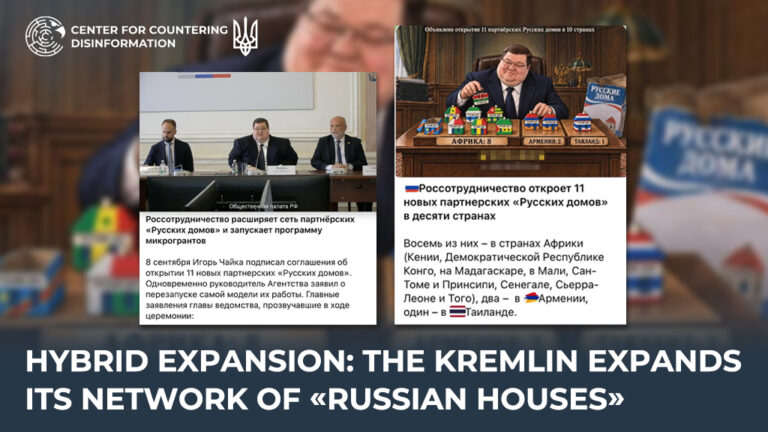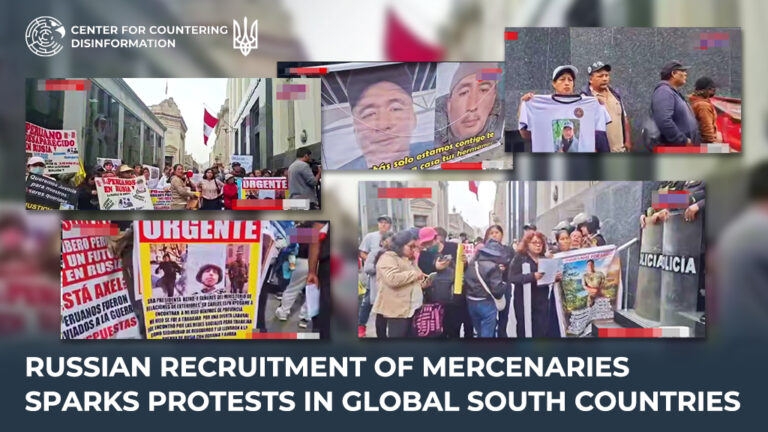
Why Kremlin needs department for partnership with Africa in the Foreign Ministry
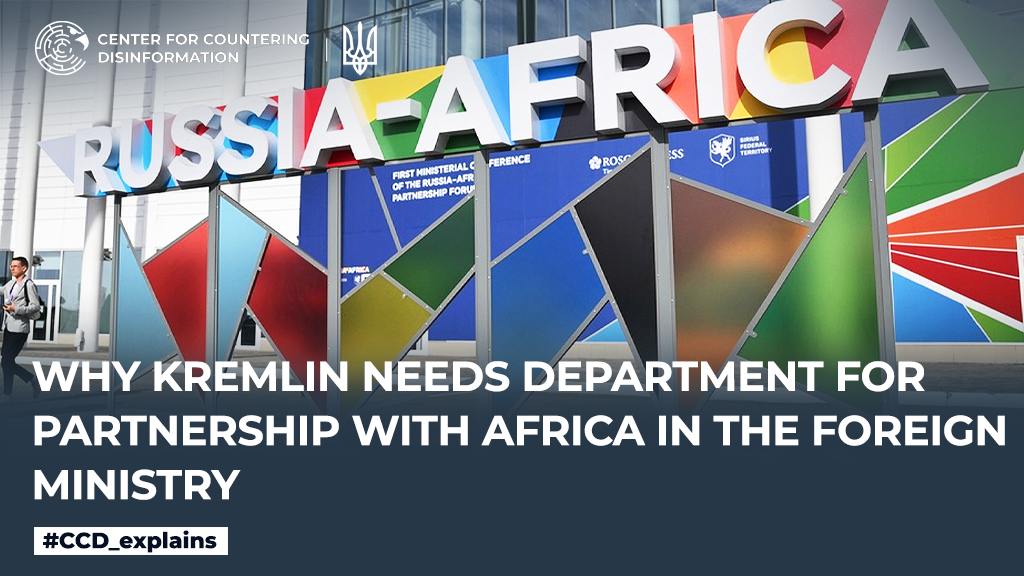
Next year, the Russian Foreign Ministry will launch a department dedicated to partnerships with Africa.
This move highlights Russia’s increasing focus on the African continent. Russia continues to expand its influence in Mali, Burkina Faso, Niger, the Central African Republic, and other countries, extracting natural resources in exchange for providing security services to local regimes.
Over the past two years, Russia is estimated to have exported $2.5 billion worth of gold from Africa, which Moscow likely uses to mitigate the impact of sanctions and finance its war in Ukraine.
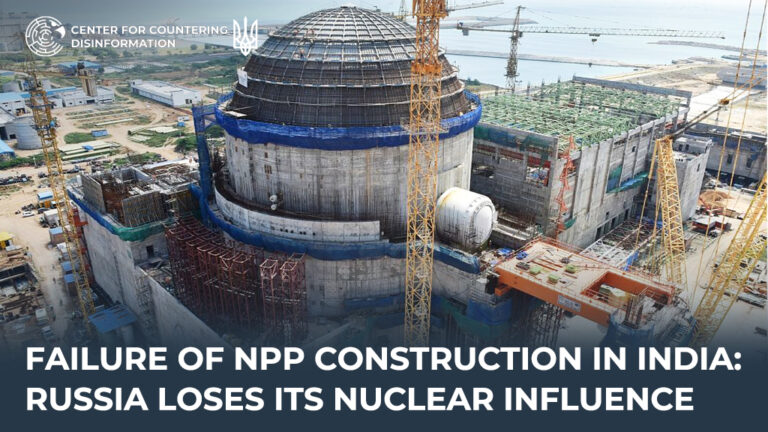
Countries such as Ghana, Uganda, Sudan, the Democratic Republic of Congo, Rwanda, Ethiopia, Nigeria, Zambia, and others are cooperating or seeking to cooperate with Russia in the field of nuclear energy. Russia positions itself as a state capable of supplying all the necessary elements for developing nuclear programs. Russia actively provides loans to countries that struggle to finance expensive projects, thus creating long-term energy dependence.
African languages such as Swahili, Amharic, and others are taught at Russian higher education institutions. Recently, Russia appointed Vsevolod Tkachenko, a diplomat fluent in Swahili, as ambassador to Kenya.
Through these efforts, Russia aims to expand its influence in Africa, which holds the largest share of votes in the UN, and weaken the impact of sanctions on its economy.